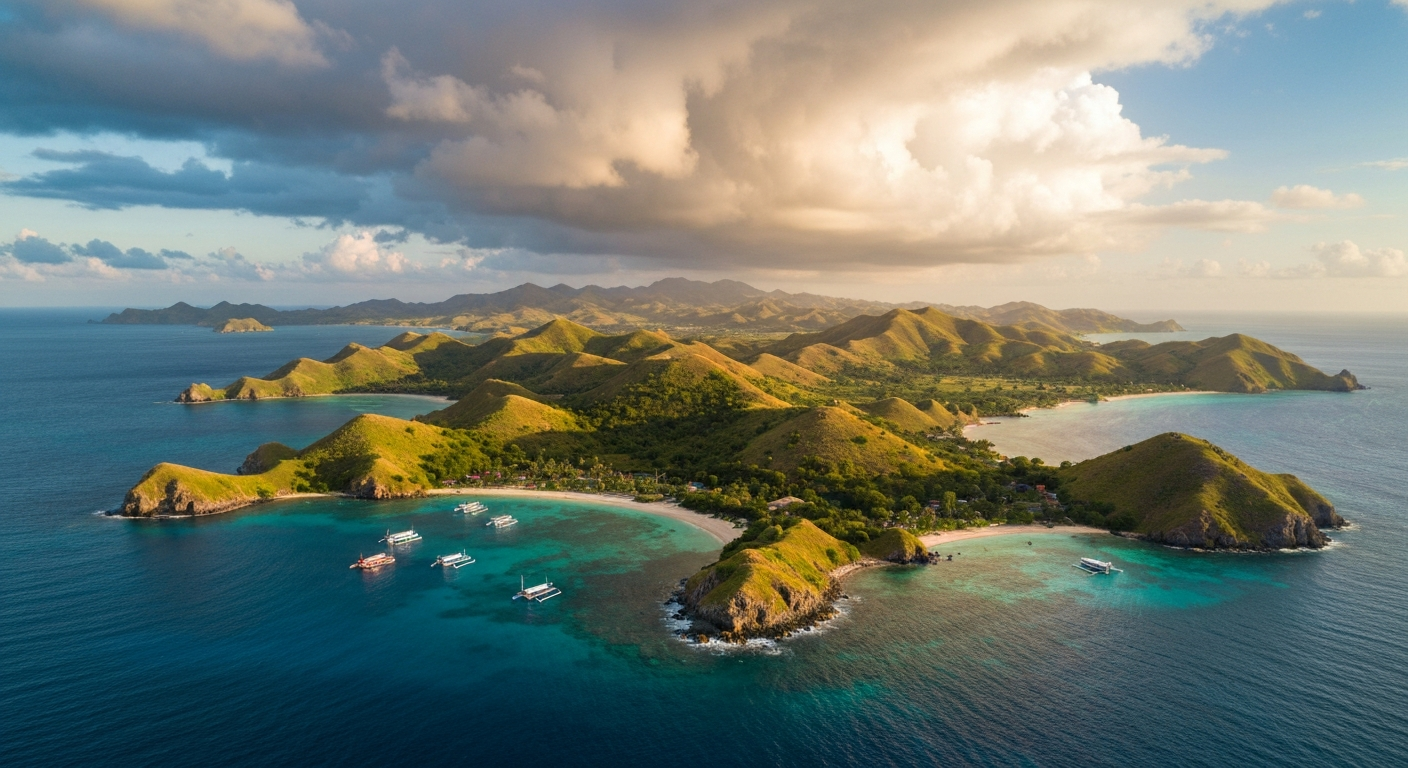
From world-class beaches to a USD 1.3 trillion economy, discover why Indonesia is attracting record foreign investment and becoming the preferred residency destination for global investors.
Indonesia is the world’s fourth most populous country with 278 million people and a GDP exceeding USD 1.3 trillion. The country has maintained consistent GDP growth of 5–5.3% annually, driven by robust domestic consumption, infrastructure investment, and a rapidly expanding middle class projected to reach 135 million by 2030.
As a founding member of ASEAN, Indonesia provides investors with access to a regional market of 680 million consumers. The government’s Nusantara capital city project and digital economy growth (projected to reach USD 130 billion by 2025) signal transformational growth opportunities.
Bali remains the crown jewel of Indonesia’s lifestyle offering with world-class beaches, a thriving international community, Michelin-recognized dining, and luxury wellness retreats. Popular areas include Canggu (digital nomad hub), Seminyak (dining and nightlife), Ubud (culture and wellness), and Uluwatu (surfing and luxury villas). Over 6.3 million international visitors in 2024.
Jakarta is Indonesia’s business hub with a metropolitan population of 34 million. It offers world-class business infrastructure, international hotels, premium shopping, and a modernizing transport network including MRT. The SCBD is home to multinational headquarters, while Menteng and Kemang offer premium expatriate living.
A comfortable expatriate lifestyle in Bali costs USD 2,000–4,000 per month. In Jakarta, a premium lifestyle runs USD 3,000–6,000 monthly. Compare to Singapore (USD 8,000–15,000), Hong Kong (USD 10,000–18,000), or Dubai (USD 6,000–12,000).
Modern international-standard hospitals include Siloam Hospitals, BIMC Hospital in Bali, and Bumrungrad-affiliated clinics. For families, excellent international schools follow British, American, Australian, and IB curricula including Bali Island School and Jakarta Intercultural School.
Bali luxury property values have appreciated 15–25% annually since 2022. Limited land supply and surging international demand continue to drive capital appreciation and rental yields of 8–12% per annum.
Indonesian government bonds offer yields of 6–7% per annum with sovereign-grade credit risk — significantly higher than comparable bonds in developed economies.
Indonesia’s digital economy is projected to reach USD 130 billion by 2025, creating massive opportunities in e-commerce, fintech, edtech, and digital services.
Indonesia targets 20+ million international visitors annually by 2026. Tourism infrastructure investment creates opportunities in hospitality, F&B, and tourism services.
Indonesia is generally safe for foreign residents, particularly in major expatriate areas like Bali and Jakarta. The country has a stable democratic government, welcoming culture, and growing infrastructure for international residents. Standard precautions apply as in any country.
Major cities and tourist areas have reliable internet with speeds of 50–200 Mbps. Bali’s Canggu area is particularly well-connected. Infrastructure is rapidly modernizing with new toll roads, MRT, and airport expansions.
Foreign residents can obtain an Indonesian driving license (SIM) with your Golden Visa. Alternatively, many expatriates employ private drivers, which is affordable and common. International driving permits are accepted for short-term use.
Indonesia is in the Pacific Ring of Fire. Modern buildings are constructed to seismic standards, and Indonesia has improved its early warning systems significantly. International-standard emergency services are available in major areas.
Discover how Indonesia’s Golden Visa can transform your life and investment portfolio.
Begin Free Assessment