Four government-approved investment pathways to secure your long-term Indonesian residency. Compare minimum thresholds, expected returns, risk profiles, and processing timelines.
The Indonesia Golden Visa provides four distinct investment pathways, each with unique advantages. Unlike many other golden visa programs where the investment is a sunk cost, Indonesia’s program ensures your capital remains a productive, return-generating asset.
Every pathway is regulated under PP 77/2023 and verified by the Indonesia Investment Coordinating Board (BKPM). Our advisory team provides detailed analysis based on your specific financial situation.
Indonesian government bonds carry the full faith and credit of the Republic of Indonesia, providing sovereign-grade security with competitive annual yields. Current yields range from 6–7% per annum depending on the bond series and maturity date.
Coupon payments are disbursed semi-annually directly to your registered bank account. Upon visa expiration, bonds can be sold on the secondary market or held if you choose to renew your Golden Visa.
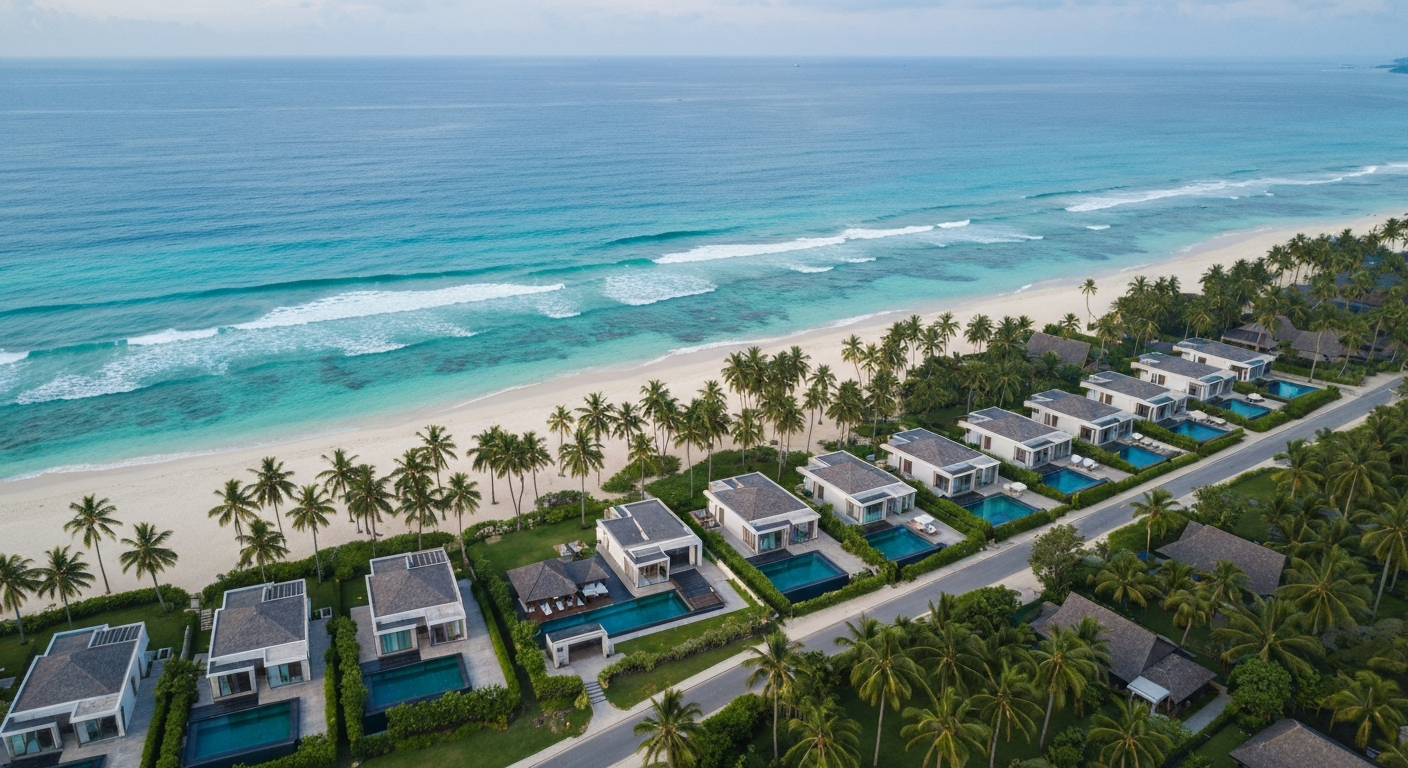
Real estate provides the dual benefit of Golden Visa residency and ownership of a tangible asset. Bali luxury villa values have increased 15–25% annually since 2022, driven by surging international demand and limited supply in premium locations.
Foreign nationals hold property under Hak Pakai (Right to Use) title, providing full usage rights for up to 80 years. Properties can be used as personal residences or leased for rental income of 8–12% per annum.
The IDX is Southeast Asia’s largest stock exchange with over 900 publicly traded firms. This pathway offers maximum flexibility in portfolio construction — blue-chip stocks, growth companies, dividend-paying utilities, or ETFs.
Indonesia’s equity market has delivered average annual returns of 8–12% over the past decade. Portfolio rebalancing is permitted as long as the total value remains above the USD 350,000 threshold.
Establishing a PT PMA (foreign investment company) provides the most comprehensive business rights. This pathway is ideal for entrepreneurs, corporate executives, and investors who want to actively operate a business in Indonesia.
The company must operate in a sector open to foreign investment under the Positive Investment List. Our legal team handles company registration, articles of association, and capital injection compliance.
| Feature | Gov. Bonds | Real Estate | IDX Shares | Corporate |
|---|---|---|---|---|
| Min. Investment | USD 350K | USD 350K | USD 350K | USD 2.5M |
| Expected Return | 6–7% p.a. | 15–25% + rental | 8–12% p.a. | Variable |
| Risk Level | Very Low | Low-Medium | Medium-High | Variable |
| Liquidity | Secondary market | 30–90 days | Daily (T+2) | Low |
| Tax on Returns | 10% final | 10% rental / 2.5% gains | 10% div / 0.1% gains | 22% corporate |
| Best For | Conservative | Growth/lifestyle | Active investors | Entrepreneurs |
Government bonds are the most popular pathway due to their sovereign-grade security, predictable yields of 6–7%, and straightforward acquisition process. Real estate is the second most popular, particularly among investors who plan to reside in Bali.
Yes, you can restructure your investment during the visa period — for example, switching from bonds to real estate — provided the total qualifying value remains above the threshold at all times.
You retain full ownership of your investment regardless of visa status. Upon expiry, you can sell the investment, hold it as a standard foreign investor, or maintain it to renew your Golden Visa.
Foreign nationals can purchase property under Hak Pakai title in designated areas. Luxury villas, apartments, condominiums, and commercial buildings are all eligible. Agricultural land and properties in certain restricted zones are excluded.
Yes, you will need an Indonesian bank account to execute your investment and receive returns. Our team assists with account opening at leading Indonesian banks as part of the investment process.
Our advisory team will help you select the pathway that best matches your financial goals and risk tolerance.
Book Free Consultation